
Air Filter Manufacturer For Trade and Industry

PANEL FILTERS
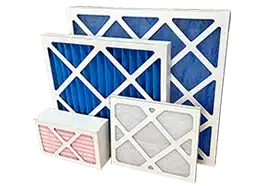
Glass, Syntetic, Pleated and MiniCell
EN779 Grades G3 to F9 (ISO16890)
No minimum order quantity or charge
Standard and Non-Standard Sizes
Air Filter Manufacturer For Trade and Industry
Glass, Syntetic, Pleated and MiniCell
EN779 Grades G3 to F9 (ISO16890)
No minimum order quantity or charge
Standard and Non-Standard Sizes

Low Efficiency G3, G4 and M5
High Efficiency M6, F7, F8 and F9
Standard and Non-standard Sizes
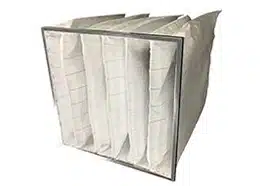
Rugged Construction with Multi Pockets

Carbon filter panels and discarb cells
Effective odour and gas control
Large air capacity in a compact design
Standard and Extra Duty available

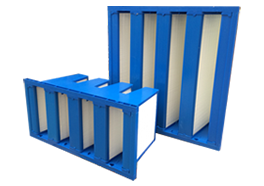
E10, E11, H12, H13, H14 to EN1822
Suits Cleanrooms & Operating Theatres
Deep or Mini Pleat HEPA Technology
High Capacity Wedge HEPAs Available

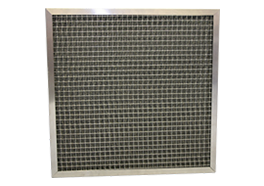
Baffle and Mesh styles available
Effective grease removal for kitchens
Cleanable and Long Lasting
Standard and Non-Standard Sizes

G2 / G3 Medias sewn to wire frame
Thin Air Filter for Fan Coil Units
Protects from Coarse Particulates
Standard and Non-Standard Sizes

Air Filter Housings, Frames and Casings
To suit Panels, Bags, Carbons or HEPAs
Bespoke & Made to Order
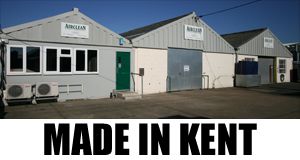
Manufactured in Kent


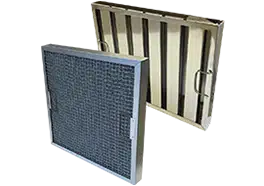
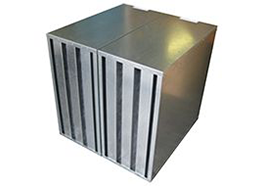
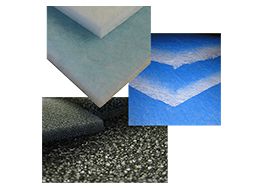
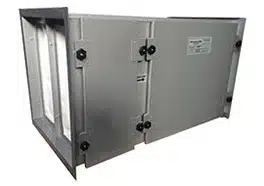
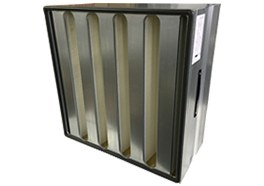
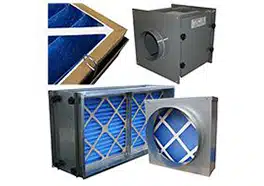
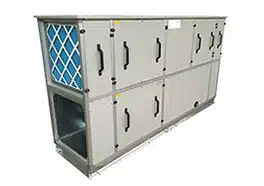
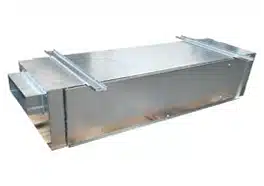
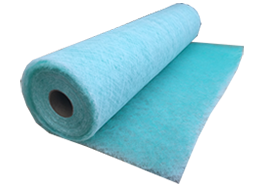
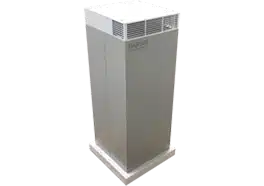
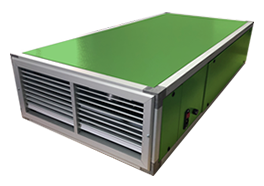
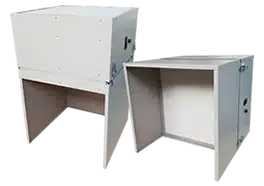
At Airclean, we have been an air filter manufacturer for Heating, Ventilation and Air Conditioning Systems since 1981 from a factory located in Marden, just outside of Maidstone in Kent. We manufacture over 95% of Air Filters we sell encompassing all variations of Disposable Panel Filters, Washables, Kitchen Canopy Grease Filters, Activated Carbon Cells, Air Filter Medias and HEPA Filters in both Standard and Non Standard Sizes.
Our Fabrications Division operates at the same premises manufacturing Air Filter Housings and complete Filtration Systems and Air Handling Units to suit a range of applications.
Typical Air Pressurisation Unit Set-up Positive pressure 100% supply air. Prefilter + H14 HEPA Cassette. Hybrid Heat Recovery Recirculation Air Pressurisation Unit Set-up Recirculation solution with fresh air addition. Dampeners allow for balancing. Additional inlet spigots on request. Dampers & additional ducting supplied by others. Laminar Flow Bench Air...
When we talk about how an Activated Carbon Filter works we use the word "Adsorption" to describe the process of molecules being removed from the air stream. However, we often hear the more common word "Absorption" incorrectly used. What is the difference between Adsorption and Absorption? "Adsorption" Is a process where atoms, ions or molecules from a gas, liquid or solid, stick or adhere...
By scoring an establishment using the following form and using it in conjunction with DEFRAs guide, system designers can obtain odour control equipment suggestions based on their score. With this information and a duty airflow, airclean will assist you in creating a specification for your Kitchen Exhaust Odour Control System.